





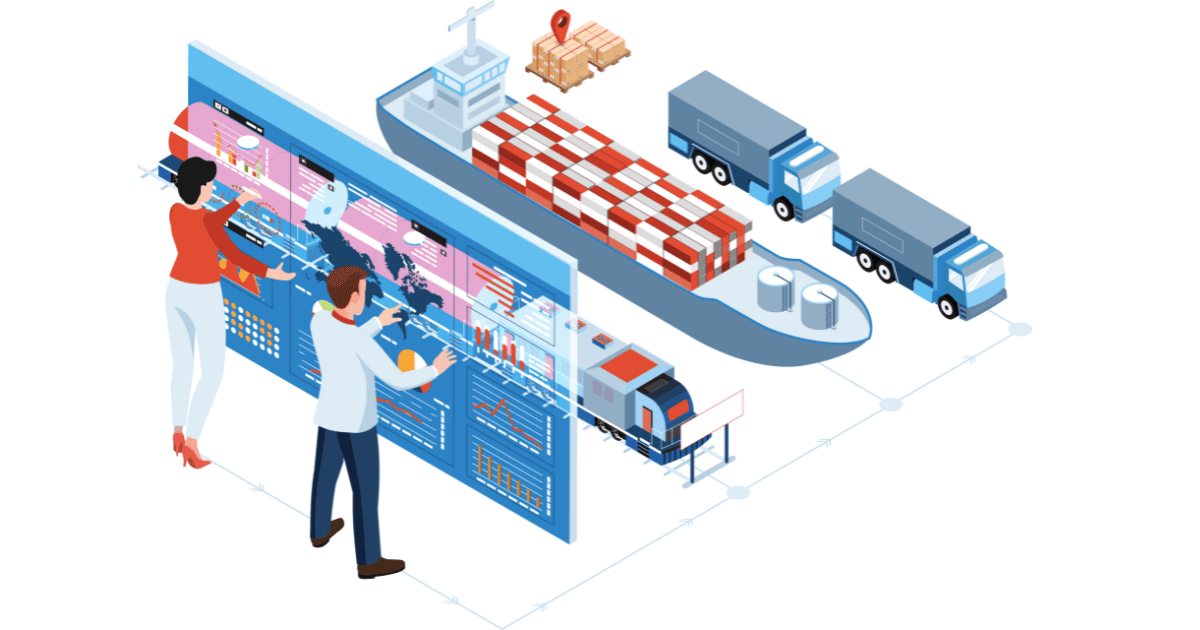
How Ports Support Everyday Shipping
Hello, this is Ichiki from Sync Logistics.
The shipping services we use every day, and the ports we work with, are supported by systems that involve many different people and organizations.
In this issue, we would like to explain how ports work, what their role is, and how this affects logistics.
■ The Role of Ports
Ports are large facilities that require a great deal of money to build.
Wharves, yards, and cargo-handling equipment are expensive, and it is difficult for private companies to develop them on their own. Because of this, ports are usually developed and operated by public authorities.
The main purpose of a port is to support imports and exports and keep the economy moving.
Ports act as important points in logistics, where cargo is gathered, transferred, and sent to the next destination.
To achieve this purpose, public authorities focus more on public benefit than on making profits. If cargo volumes decrease, trade slows down, and this can affect the entire economy. For this reason, it is important for ports to stay active and easy to use.
■ Different Roles, Different Challenges
Many groups are involved in port operations. These include public authorities that own the ports, companies that operate port facilities, and businesses that use ports to import and export cargo.
Each group has a different point of view. Public authorities want ports to function well as part of national infrastructure. Port operators work to provide stable and reliable services. Importers and exporters want to move cargo efficiently while keeping costs low.
We are also part of this structure. Sometimes we operate our own yards while working closely with port operators. At other times, we support cargo owners by arranging vehicles and using ports as logistics users.
Because these different viewpoints overlap, challenges can occur. For example, some businesses plan their operations assuming cargo will stay at the port for a certain period of time due to schedules or cost reasons. To meet these needs, port operators may provide storage services.
However, when cargo stays at the port for too long, space becomes limited. This makes it harder for ports to work efficiently as logistics hubs. Ports are designed to keep cargo moving, so long-term storage can create problems.
That said, vehicle exports vary greatly depending on destination and sales methods, and these business models are becoming more diverse. In some cases, exporters who can move large volumes of cargo continuously still match the original role of ports, even if some storage is involved.
■ Logistics That Match How Ports Work
So how can these challenges be handled?
For businesses that need to hold inventory in Japan, it is possible to keep cargo moving smoothly by using yards outside of ports and adjusting logistics plans. As a logistics company, we do not simply judge these situations as good or bad. Instead, we aim to design logistics solutions that fit each customer’s business.
By understanding how ports are designed to work and building logistics systems that match real operations, we believe we can support long-term growth for our customers.
Thank you very much for reading.